



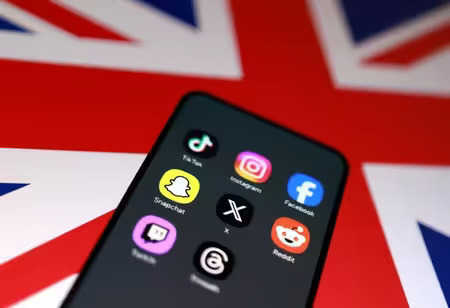
Britain is contemplating requiring social media platforms to give preference to what the government refers to as reliable news sources as part of its wider effort to strengthen regulation of the industry.
The culture department announced it was contemplating making platforms like Meta’s Facebook, Alphabet-owned YouTube, and TikTok ensure that content from public service media—such as the BBC, ITV, and Channel 4—and other reliable news sources is more accessible in users’ feeds and search results.
The action follows a week after the government declared a restriction on those under 16 using most social media sites.
Information from the media regulator Ofcom indicates that social media has emerged as a primary source for most UK adults and nearly 75percent of younger individuals aged 16 to 24.
A 2024 study by Ofcom revealed that four out of ten adults in the UK had come across misinformation within just one month, mostly found online.
"Culture minister Lisa Nandy states that it's essential to ensure people have improved access to reliable and precise news, and that our regulated public service media is visible and audible in the intense fight against misinformation and disinformation."
Also Read: Péter Magyar’s EU Summit Debut Marks New Chapter for Hungary
The government stated that increasing the visibility of regulated news sources could assist in combating misinformation, especially in times of crisis.
Also Read: Airbus Ravenstorm Joins Europe Combat Aircraft Race
Any attempt to affect the way platforms prioritize content will probably encounter opposition from social media companies, which argue that such regulations could undermine user preferences and disadvantage other creators.
The suggestions are a component of a wider reform of Britain's public service media system aimed at aiding broadcasters in competing with streaming services and changing viewing patterns.
Also Read: Keir Starmer to Step Down as Labour Leader
Ministers are also looking into expanding public service media recognition to cover online-only platforms, broadening free-to-air safeguards for significant sporting events to cover on-demand viewing, and discussing a transition to internet-based television starting in 2034 or 2044.