



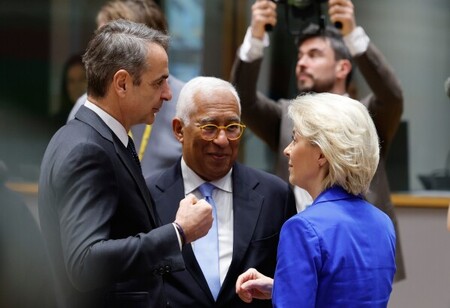
Following the energy crisis triggered by the conflict in the Middle East, European leaders on Friday called for the Strait of Hormuz to be reopened and for a halt to attacks on water and energy infrastructure in the region, as they convened in Brussels to address soaring energy prices resulting from the war.
Leaders of the 27 European Union countries, collectively referred to as the European Council, released a united statement on Thursday urging the stabilization of energy deliveries and calling for "de-escalation and maximum restraint" among conflicting parties.
"The European Council expresses sorrow over the loss of civilian lives and is closely observing the extensive effects of the conflicts, particularly on economic stability," reports indicate.
In the meeting, the EU leaders requested Iran to cease its attacks on neighboring countries in the Persian Gulf, pursued global collaboration to avert significant refugee crises in the Middle East, and mentioned that some EU countries are looking into methods "to secure freedom of navigation in the Strait of Hormuz."
Also Read: Five Dutch Startups Redefining Europe's Innovation Edge
Additionally, the European leaders rebuffed requests from US President Donald Trump to deploy military resources to safeguard the Strait of Hormuz, a crucial route for the international transport of oil, gas, and fertilizer. Nonetheless, escalating energy costs due to the conflict and concerns in Europe about a potential new refugee crisis have compelled leaders to prioritize the Middle East at the summit.
"Belgian Prime Minister Bart De Wever expressed great concern over the energy crisis before the summit." He stated that energy costs were excessively high before the war, but that the conflict "caused another surge."
Also Read: 6 Remarkable Women Entrepreneurs Stirring Up a Tech-Storm in UK
In addition, the EU leaders talked about alternatives for financing Ukraine after they were unable to persuade Hungary to cease its opposition to a substantial loan for the financially strained and war-affected nation.
Also Read: Exploring Germany's AI Innovation: 5 Startups Leading the Way
In light of these events, European leaders strongly criticized the Iranian government, yet none provided immediate assistance to the US, and Britain is firmly resisting involvement in the conflict. France states that the combat needs to subside initially.