



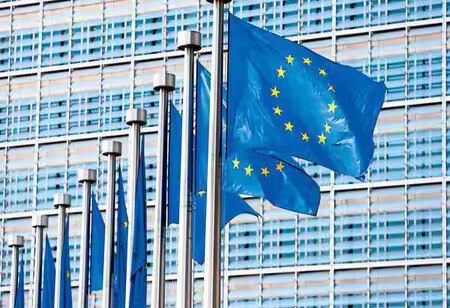
The EU's carbon border tax aims to stop companies from relocating production to nations with less stringent environmental regulations — however, the US claims it constitutes a biased trade regulation.
According to a document released on Thursday, Washington is looking into whether the European Union's carbon border tax is negatively affecting US trade and if proposals to broaden it would impose unfair obstacles on American businesses.
The Carbon Border Adjustment Mechanism (CBAM) of the EU began in January 2026, applying to imports of aluminium, cement, fertilizers, hydrogen, iron, and steel.
Its goal is to create a fair competition environment for European manufacturers against foreign rivals, while also stopping carbon-heavy production from relocating to nations with less stringent climate regulations.
Soon after its introduction, multiple EU nations requested short-term exemptions for fertilizers, cautioning that the tax would increase prices and might threaten food security.
Under CBAM, EU importers are required to track and report emissions produced during the manufacturing of the products they import into the bloc. Washington claims that the system is generating financial burdens for American firms, increasing the likelihood of renewed trade disputes with President Donald Trump's administration.
Also Read: Germany Warns Chinese High-Tech Products May Pose Security Risks
The timing is important. Brussels is discussing proposals to expand CBAM to additional products, such as washing machines and automotive components, while reinforcing regulations to stop businesses from evading the tax.
Also Read: EU Allocates €1.24 Billion for Ukraine’s Drones and Munitions
The USTR (Office of the United States Trade Representative) is requesting feedback regarding the effects of the CBAM on trade relations between the US and the EU, in addition to the possible effects of the EU’s plans to broaden CBAM coverage. "Such remarks will aid in guiding ongoing USTR and US government interactions with the EU regarding CBAM," the document states.
Washington will assess the effects on expenses, regulatory challenges, and access to the EU market for U.S. producers, along with direct and indirect exports and total trade with the bloc. US firms have until November 9 to share their opinions.
Also Read: EU-China Trade Talks Begin in Beijing Amid Rising Economic Pressure
The action follows closely after the World Trade Organization (WTO) consented to create a panel at Russia's request to review the legality of CBAM. Moscow claims that the carbon border tax poses "substantial trade obstacles" for products entering the EU.