



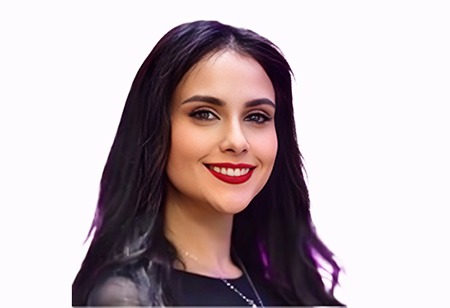
 Aliaa El-Sherif is an experienced HR leader with an extensive background in telecom, banking, retail, and manufacturing. Her strengths are in talent development, designing organizations, and global people practices, along with being a highly certified psychometrician, leadership, and methods of assessment.
In an engaging conversation with the CEOInsights Europe team, Aliaa shares her views on how leadership change for women in any industry across the globe is only a reflection of what is happening to her own journey from a young HR specialist to a global and regional leader.
Her insights reflect on cultural changes, personal learnings, and an inclusive mindset that has characterized more modern leadership. To explore her full perspective and the experiences behind it, continue reading the complete article.
You’ve worked across diverse industries and regions, how have you seen leadership expectancies for women evolved within manufacturing over the years?
I've observed numerous industries discussing the importance of diversity and the advancement of female talent into key positions. However, actual implementation often faces considerable challenges for various reasons. My own experience serves as an example of how my organization effectively translates its diversity goals into action. As a young Middle Eastern woman, I joined the group 13 years ago as an HR specialist. Through dedicated efforts, I have advanced to a global critical role at the headquarters and currently hold a regional management position. This journey underscores my organization's commitment to nurturing diverse talents and empowering them to achieve significant professional milestones.
When you first stepped into leadership roles, what were some unspoken challenges you faced, and the way did you navigate those early transitions?
At the age of 29, I embraced my first leadership role, facing unique challenges as both a woman and a young leader overseeing a key function in the Middle Eastern market. I quickly realized that perceptions could differ drastically; while male leaders were often praised for being hands-on and possessing emotional intelligence, young female leaders like myself might be unfairly labeled as bossy or overly emotional. Navigating these preconceived notions required maturity, extraordinary effort, perseverance, and self-awareness to recognize my potential and contribute value to the organization. This journey ultimately enabled me to earn the trust of my organization and attain higher career advancements.
How has your cross-industry experience from telecom, banking & manufacturing shaped your leadership philosophy?
Throughout my 18-year career, the opportunity to work across various industries has been immensely enriching. It has expanded my understanding of diverse cultures and exposed me to a range of visions, all of which have influenced my approach to leadership.
I have successfully adapted a balanced leadership strategy that harmonizes agility with efficiency and stability.
Additionally, I've maintained a mindset that embraces both elaboration and exploitation to effectively navigate complex challenges.
You’ve also been deeply involved in people assessments and career improvement, how do you use that to unlock leadership capacity, especially among emerging women specialists?
Understanding individual personalities and helping individuals discover their natural talents and true potential is one of my greatest passions. This approach allows me to look beyond a person's current role and past experiences, enabling me to assess the potential they can achieve for the organization in the future.
I have successfully implemented this philosophy to foster the development of numerous talents within our organization, thereby enhancing diversity in the selection for various key roles.
In your view, what practical shifts are most crucial for creating truly inclusive leadership pipelines across regions?
One of the most transformative changes in leadership is learning to trust individuals for what they genuinely contribute and providing them with the space to act on it. When leaders transition from micromanaging to empowering, they foster a culture where individuals can safely experiment, contribute, and pursue their learning goals authentically. This cultural shift towards self-determination and trusting individuals to leverage their strengths and competencies is crucial for establishing inclusive leadership pipelines across various regions.
For women aspiring to lead across borders and cultures, what one advice you’d share from your very own leadership journey?
I consistently encourage individuals to view conversations as opportunities for learning. Leading across borders and cultures requires humility to listen deeply, a willingness to embrace diverse perspectives, and the confidence to engage meaningfully without presuming to have all the answers. Approaching conversations with a learning mindset not only fosters trust and strengthens relationships but also cultivates a more inclusive, globally aware leadership environment.