



.png)
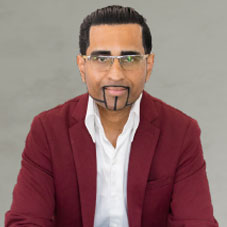
Dr Rajesh Chelliah
Consultant Cardiologist
The human heart works tirelessly every second of our lives, yet heart health often becomes a priority only after a serious warning sign appears. In an age where stress, sedentary lifestyles, diabetes, obesity, and hypertension are increasingly common, cardiovascular disease continues to remain one of the world’s leading health concerns.
This is where Consultant Cardiologists play an indispensable role, not only as specialists treating complex heart conditions, but as medical leaders driving prevention, innovation, and long-term patient well-being.
For Dr Rajesh Chelliah, Consultant Cardiologist, cardiology was never simply a career choice, it was shaped by life itself. Long before entering medical school, he and his twin brother experienced the realities of cardiovascular illness within their own family.
Watching his father endure years of heart disease, major bypass surgery, repeated hospital admissions, and later cardiac stent procedures exposed him early to both the fragility of health and the emotional weight carried by families facing chronic illness.
Losing his father before beginning his medical education and with support and encouragement from his mother, transformed that experience into purpose.
That purpose became the foundation of his medical journey. While many doctors discover their specialty over time, Dr Chelliah’s direction toward cardiology was clear from the beginning. Throughout medical school, he immersed himself in cardiovascular medicine through research projects, electives, academic essays, and specialist study modules.
His progression within cardiology was marked by unusually early exposure to advanced procedures and complex interventions. During his registrar years, he was already performing coronary angiograms, angioplasty procedures, pacemaker implantations, and defibrillator therapies, experiences that built both technical expertise and clinical confidence.
As his career evolved, he moved into highly specialized cardiac device implantation and extraction work, eventually leading regional cardiac device extraction services and helping strengthen advanced cardiac care within his institution.
Today, Dr Rajesh Chelliah’s work extends beyond procedures and clinical practice. At the center of his approach remains a simple but powerful goal: helping patients live healthier lives while preventing other families from experiencing the same struggles that shaped his own journey into medicine. Let’s get to know more about his journey in this one-on-one interaction.
Traditionally, healthcare systems have often focused on treating complications after they occur, whether it is heart failure, stroke, or a heart attack. I believe the future of cardiac care must shift towards preventing these conditions before they develop
What initiatives have you introduced to make healthcare more accessible, community-focused, and culturally inclusive?
Working within the NHS has allowed me to serve a highly diverse population, particularly in Leicester, where cultural and socioeconomic differences can significantly impact access to healthcare. One of my primary goals has been to improve healthcare awareness and accessibility, especially among communities that may not seek medical attention early enough.
A major part of my work focuses on preventive cardiology and public education. I regularly engage with patients, general practitioners, and primary care teams to raise awareness about cardiovascular risk factors, early warning signs, and the importance of routine screening for conditions such as hypertension, diabetes, and high cholesterol.
Through my involvement with the Leicester Asian Doctors Society, I also work to strengthen communication between primary care and specialist services, ensuring patients receive timely support, referrals, and culturally sensitive care.
What is your long-term vision for the future of cardiac care, especially in heart failure and rhythm disorders?
My long-term vision for cardiology is centered around prevention, early diagnosis, and proactive intervention. Traditionally, healthcare systems have often focused on treating complications after they occur, whether it is heart failure, stroke, or a heart attack.
I believe the future of cardiac care must shift towards preventing these conditions before they develop. This involves identifying high-risk individuals early by addressing factors such as high blood pressure, diabetes, obesity, sleep apnea, elevated cholesterol, and atrial fibrillation. Early detection and management of rhythm disorders and heart failure can dramatically improve both patient outcomes and quality of life.
I would also like to see stronger national prevention strategies supported by wider public education and easier access to cardiovascular screening programs so that preventive care becomes as important as treatment itself.
How do you encourage the adoption of new technologies and innovations in cardiac care?
Innovation has always been an essential part of my approach to cardiology. Throughout my career, I have worked on introducing advanced cardiac devices and newer procedural techniques designed to improve patient safety and clinical outcomes.
I strongly believe medicine should never remain static, and healthcare professionals should continuously look for ways to improve how we care for patients. Rather than simply following standard textbook methods, I believe treatments and procedures should be tailored to each individual patient’s needs.
The adoption of new technologies should always focus on making interventions safer, less invasive, more efficient, and ultimately more beneficial for patients. By encouraging collaboration, continuous training, and evidence-based implementation of modern technologies, we can continue advancing cardiac care and improving the patient experience across all levels of treatment.
How would you describe your leadership philosophy and management approach?
Leadership in medicine is very different from leadership in many other industries because you are often working alongside highly experienced and equally skilled professionals. In cardiology, particularly within a tertiary cardiac center, leadership is less about authority and more about collaboration, trust, and mutual respect.
My leadership style is centered around being approachable, supportive, and adaptable to the needs of different individuals. I do not believe in rigid leadership structures or micromanagement. Every colleague has unique strengths and working styles, and I believe people perform best when they are trusted and given professional autonomy.
My role as a leader is to create an environment where colleagues feel supported, valued, and confident in their abilities. Open communication, trust, and teamwork are extremely important principles in the way I lead my department.
How do you stay informed about emerging trends and advancements in cardiology?
Cardiology is a rapidly evolving field, and staying updated with new developments is essential to delivering the highest standard of care. I regularly collaborate with cardiac device manufacturers and pharmaceutical companies, which helps me stay informed about emerging technologies, medications, and treatment strategies.
These collaborations provide valuable insight into innovations that may improve patient outcomes or enhance procedural safety. Whenever new therapies or techniques become available, I carefully assess how they can benefit our patient population locally and whether they can be integrated effectively into our healthcare system.
Continuous learning, professional discussions, attending educational programs, and engaging with ongoing clinical advancements all help ensure that our hospital remains progressive, modern, and capable of delivering evidence-based cardiac care for the future.
What future goals and aspirations are you currently working towards?
One of my biggest aspirations for the future is addressing healthcare inequality within our region. There are still many communities where individuals delay seeking medical attention due to lack of awareness, cultural barriers, or limited engagement with healthcare services.
My goal is to continue expanding preventive healthcare and community education initiatives so that everyone, regardless of their background or socioeconomic status, has equal access to healthcare knowledge and early intervention. I strongly believe education and awareness can significantly reduce preventable cardiovascular disease.
In the near future, I also hope to establish a charity focused on reducing healthcare inequalities and improving cardiovascular awareness in underserved communities. For me, meaningful long-term change begins with education, accessibility, and empowering people to take greater control of their own health and wellbeing.
Dr Rajesh Chelliah Consultant Cardiologist
Dr Rajesh Chelliah is a Consultant Cardiologist recognized for his expertise in advanced cardiac device implantation, heart rhythm management, and preventive cardiology. Driven by personal experiences with cardiovascular disease, he has dedicated his career to improving patient outcomes through innovation, education, and compassionate care. He also plays an active role in community health awareness and advancing accessible, culturally inclusive cardiac care across diverse populations.
Defining Excellence in Cardiology
• Expert in Advanced Cardiac Care – Specializes in complex cardiac device implantation and heart rhythm management.
• Leader in Preventive Cardiology – Strong advocate for early diagnosis, prevention, and public heart health awareness.
• Regional Cardiac Device Lead – Played a key role in advancing cardiac device extraction services in his region.
• Community-Focused Healthcare Advocate – Actively works to improve healthcare accessibility across diverse communities.
• Committed to Innovation and Education – Promotes evidence-based care, modern technologies, and continuous medical learning.