



The foreign policy leader of the European Union is urging member nations to reallocate the Red Sea naval mission of the bloc to assist in the resumption of oil and gas transportation in the Strait of Hormuz.
“If we want to have security in this region, it would be easiest to already use the operation we have in the region and maybe change a bit,” Kaja Kallas said, ahead of a meeting of EU foreign ministers.
Also Read: Moscow Calls for the US to Ease Oil Sanctions
The EU mission currently under consideration is Aspides, initiated in 2024 following the Houthis' assault on maritime vessels in the Red Sea.
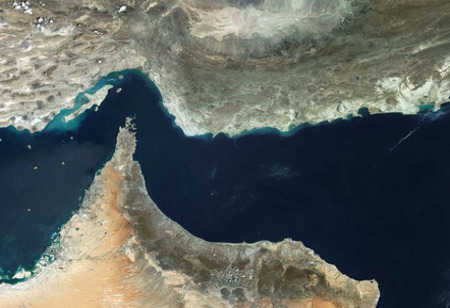
Authorities are now deliberating on the feasibility of transitioning this operation to the strategically important Strait of Hormuz, a vital maritime passage that has been rendered impassable following military actions by the US and Israel against Iran.
Ministers will discuss the potential for altering the mission's mandate, as stated by Kallas. The blockade has resulted in a significant increase in energy prices, causing concern among European officials regarding inflation, potential economic downturns, and possible disruptions in food supply.
Approximately 20 percent of the global oil transportation passes through this narrow corridor. Kallas mentioned that countries are not only reassigning the Aspides operation, but they are also considering the possibility of establishing a coalition of countries willing to collaborate on a joint operation.
“We also need to see what would be the fastest way to provide this opening of the Strait of Hormuz,” Kallas says.
President Donald Trump is making discrete efforts to compel nations to collaborate in the reopening of the strait. During his statement, he declared that he was "insisting" on support from other countries.
Additionally, EU foreign ministers convening in Brussels will deliberate on the possible expansion of the bloc's maritime operation Aspides into the Strait of Hormuz, in light of rising global energy prices due to the conflict with Iran. Recently, US President Trump urged various nations to deploy naval vessels to ensure safe passage through the strategic waterway.
German Foreign Minister Johann Wadephul affirmed that the matter is currently under discussion, however, he expressed doubts regarding the operation and Germany's involvement. The demand by the US for assistance from European and Asian allies in safeguarding the crucial oil transportation route has intensified, prompted by a rise in energy prices stemming from US-Israeli military actions against Iran.
Also Read: EU Urges Ukraine to allow Inspection of Damaged Druzhba Pipeline
Recently, President Donald Trump called upon the UK, France, China, and Japan to send naval ships to the region for the purpose of protecting oil deliveries. His remarks are in alignment with the sentiments expressed by Europeans who posit that the US has failed to adequately disclose information regarding the war, including its timeframe and objectives.
The US Secretary of Energy, Chris Wright, indicated that the conflict with Iran may come to a conclusion within a matter of weeks. Despite attempts by Washington to reassure the energy market, the escalation in oil prices to over $100 per barrel has raised apprehensions regarding inflation and slower economic growth.