



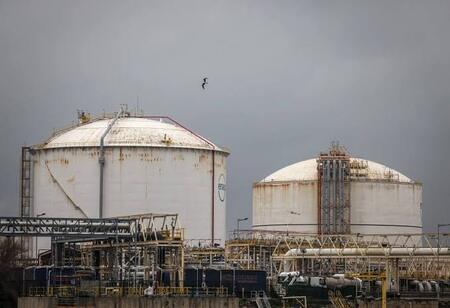
European natural gas prices have surged to their highest levels in four years as colder weather, declining storage levels and disruptions to liquefied natural gas (LNG) supplies raise concerns about energy security ahead of winter.
According to OilPrice.com, the Dutch Title Transfer Facility (TTF), Europe’s benchmark gas price, rose 2.1% to approximately $107.40 (€95.73) per megawatt-hour on Monday morning. The increase followed a 7% rally during the previous week, reflecting growing concerns about tightening supplies as the heating season begins.
Europe is entering winter with significantly lower gas reserves than usual. Data from Gas Infrastructure Europe showed that EU gas storage facilities were approximately 74.62% full as of October 25, compared with a five-year seasonal average of around 86%.
The supply situation has deteriorated because the ongoing Middle East conflict has severely disrupted LNG shipments from Qatar, previously one of the world's largest LNG exporters. With shipments through the Strait of Hormuz significantly restricted, European countries are competing with Asian buyers for alternative supplies, putting additional upward pressure on prices.
Also Read: Bulgaria Becomes the Battery of the Balkans
Analysts warn that continued disruptions could intensify competition for available cargoes throughout the winter. Ole Hansen, head of commodity strategy at Saxo Bank, noted that European gas inventories stood at approximately 845 terawatt-hours, around 100 terawatt-hours below their level at the same time last year. This shortfall represents a substantial challenge for countries seeking to maintain adequate reserves during the colder months.
Higher wholesale gas prices could also increase electricity generation costs, industrial operating expenses and household energy bills. The impact will depend on weather conditions, supply availability and how quickly LNG shipments recover.
Also Read: Germany Eyes Thousands of Missiles, Including Ukraine's Bars Drones
Europe's energy outlook remains uncertain as winter approaches. A prolonged cold spell or further disruptions to Middle Eastern exports could push prices even higher, while improved supplies and milder temperatures could ease market pressure.
Also Read: Vietnam, Europe Deepen Ties to Promote Peace, Stability and Prosperity
For now, Europe's combination of below-average storage levels and restricted LNG availability leaves the region vulnerable to further price increases during the winter of 2026–27.