



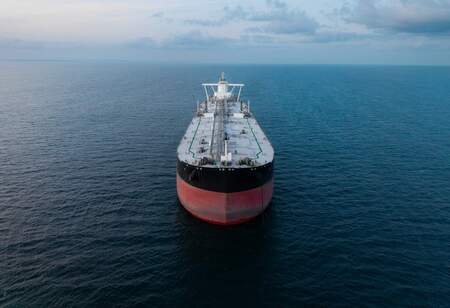
Reports indicate that the European Union is contemplating a short-term suspension of its price limit on Russian oil due to the Middle East conflict extending into its fourth month.
Last year, the bloc implemented an adaptive system to guarantee that the price cap is automatically adjusted every six months to be 15% lower than the average market price of Russian Urals crude.
The existing price limit stands at $44.10 per barrel and will be evaluated later this summer.
Beneath the cap, European companies are prohibited from offering services like insurance and transportation related to oil sold above the limit.
Oil prices have surged due to the Iran conflict and the substantial blockage of the Strait of Hormuz.
The upcoming price cap assessment in July is expected to raise the level to a minimum of $65, exceeding the prior $60 limit established jointly by the Group of Seven, according to individuals who requested to remain anonymous to discuss confidential discussions.
Also Read: Magyar Travels to Brussels to Restore EU Ties and Access Funds
The freeze would maintain the price cap at its existing level, thus restricting the excess profits Russia is earning from today's elevated oil prices.
Additional alternatives being evaluated involve halting dynamic and automatic increases until year-end due to the unique situation in the Middle East, or limiting any increase to $60 to align with the G7 standard, according to reports.
Also Read: Spain, EU Unveil €10 Million Quantum Computer in Barcelona
The action would be included in the EU's most recent sanctions package, marking the bloc's 21st since Russia's comprehensive invasion of Ukraine in 2022. The EU intends to complete and officially present a set of new initiatives in early June. Envoys from member states were informed about the plans last week.
Additional actions being considered for the new sanctions package involve aiming at more banks, oil traders, refineries, and cryptocurrency operators in third countries utilized by Moscow to evade the bloc’s limitations.
Also Read: TVH Names Giuliano Parodi as CEO
Additionally, around 20 extra tankers would face sanctions within the covert fleet of ships that Russia relies on to transport its oil, and eventually, that restriction would apply to vessels transporting liquefied natural gas, hindering the Kremlin's capacity to establish a shadow fleet for LNG.