



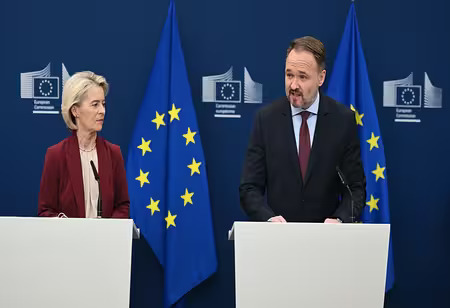
European Energy Commissioner Dan Jørgensen called on EU governments to keep limiting energy demand to decrease gas and electricity usage due to "exceptionally low" storage capacities, according to reports.
"I urge you to think about implementing or maintaining actions that can support injections or decrease gas and electricity usage for as long as required," the letter states, highlighting that the circumstances "have not gotten better" since Jørgensen's initial alert in March.
The alert arises as EU gas storage is approximately 70% filled, nearly 12 percentage points lower than this time last year, based on the most recent data from the trade group Gas Infrastructure Europe. Ongoing turmoil in the Middle East and intense rivalry from Asia for liquefied natural gas (LNG) shipments are driving prices higher, posing a risk of a supply shortage.
The Dutch TTF, which serves as the European benchmark for natural gas prices, is currently trading at approximately €72 per MWh, an increase of €40 per MWh since the United States and Israel conducted airstrikes on Iran on February 28. Analysts are cautioning that prices could exceed €100/MWh during peak winter if LNG export levels from the Gulf do not increase or if maintenance in Norway extends export limitations.
The EU's leading energy official stated that reducing electricity consumption during peak periods can result in less gas being burned in power plants, which alleviates the strain on gas supplies and electricity prices. Families and companies are already affected by energy costs, whereas governments face demands to protect consumers from another price surge.
Also Read: Europe Sees EV Sales Surge as Gasoline Prices Climb to $10
The Commission specifically highlights actions taken during the 2022 energy crisis, such as lowering electricity usage during peak times, motivating consumers to adjust demand with smart meters and retail rates, capping temperatures in public facilities, curtailing outdoor heating, and turning off non-essential public lighting at night.
Also Read: EU Asks Britain to Raise Chinese Car Tariffs to Align Trade Rules
"During the 2022 energy crisis, voluntary and well-structured demand reduction actions were beneficial, and we can apply the insights gained from that experience to the current scenario," the letter states.
Also Read: EU to Defend Its X Rules as US Backs Elon Musk Legal Challenge
The EU's energy chief also directs ministers to their national emergency plans, which include more severe measures that could be implemented if the situation worsens — such as interruptible gas contracts and converting power plants from gas to alternative fuels.