
CEO Insights Magazine

The ongoing West Asia conflict has disrupted global energy markets. The geopolitical turmoil has forced several countries to rethink strategies amid the US/Israel–Iran war.
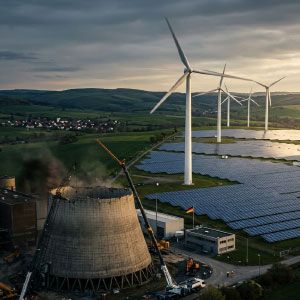
Germany’s response reflects a deeper structural shift beyond short-term crisis management.
Germany responded by removing the gas storage tax and investing in renewable energy, hydrogen, and infrastructure. These moves aim towards building a more resilient and independent energy system. However, major challenges remain.
Germany has also sharply reduced its reliance on Russian gas. Prior to the Ukraine war, Russia supplied around 55% of Germany’s gas imports, but by 2024 Norway became Germany’s largest supplier with 48% of imports, while Russia was largely phased out.
Dissecting Germany's Energy & AI Future
By: Rachita Sharma, Managing Editor
The ongoing West Asia conflict has disrupted global energy markets. The geopolitical turmoil has forced several countries to rethink strategies amid the US/Israel–Iran war. Germany’s response reflects a deeper structural shift beyond short-term
Navigating Corporate & Commercial Law: Insights from a Legal Leader
By: Dr. Abdultaiyab Bahrainwala Partner/Senior Lawyer, Khairallah Advocates & Legal Consultants LLC
The UAE’s business story is often told through headline numbers—new licences, new hubs, new investment flows.
By: Santosh Ranjan Managing Director Knowledge Horizon
For decades, Learning & Development (L&D) occupied a predictable space within organisations—essential, yet often perceived as a support function.
By: Stephan Surber, Managing Partner, Page Executive
Over time, my view of leadership influence and trust has shifted significantly. Early in my career as a Junior Relationship Manager, I saw trust as something you earned through expertise, reliability, and delivery largely transactional.
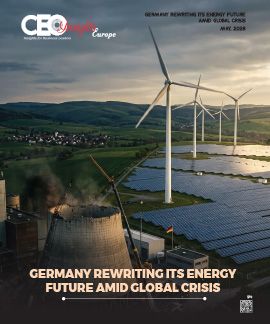
Germany Rewriting Its Energy Future amid Global Crisis - 2026
The ongoing West Asia conflict has disrupted global energy markets. The geopolitical turmoil has forced several countries to rethink strategies amid the US/Israel–Iran war.
Germany’s response reflects a deeper structural shift beyond short-term crisis management.
Germany responded by removing the gas storage tax and investing in renewable energy, hydrogen, and infrastructure. These moves aim towards building a more resilient and independent energy system. However, major challenges remain.
Germany has also sharply reduced its reliance on Russian gas. Prior to the Ukraine war, Russia supplied around 55% of Germany’s gas imports, but by 2024 Norway became Germany’s largest supplier with 48% of imports, while Russia was largely phased out.
Our subscribers play a decisive role in finalization of our annual list of "Germany Rewriting Its Energy Future amid Global Crisis - 2026" by nominating those which have served them with excellence and are praiseworthy. If you feel there is a company that deserves to be on our annual list, do write to us about them mentioning their value proposition.