



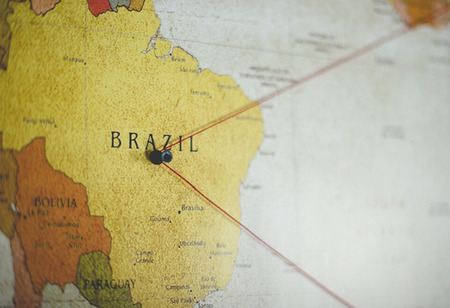
Brazil's Senate approved an agreement between the Mercosur alliance and the European Union, establishing one of the largest free trade zones globally.
The agreement encompasses the original members of the South American trade alliance and has already been officially accepted by Argentina and Uruguay.
Paraguay's legislature still lacks the authorization to endorse it. Last week, the European Commission disclosed its intention to temporarily put into effect the substantial agreement, subject to a decision from the highest court of the European Union regarding its legality.
France was notably upset by the decision, as the country has been at the forefront of opposing the agreement and made unsuccessful efforts to prevent its approval due to concerns for its agricultural sector.
Also Read: Jaishankar Speaks with EU VP Kaja Kallas
French farmers are apprehensive about facing stiffer competition from cheaper products originating from Brazil and other countries in the region.
After 25 years of complex and challenging discussions, the agreement was officially ratified in January. It received renewed momentum in the midst of widespread implementation of tariffs and trade ultimatums by the administration of US President Donald Trump, prompting countries to seek out new alliances.
The European Union and Mercosur collectively represent a significant portion of global GDP, constituting 30 percent, and possess a consumer base of over 700 million individuals. The agreement works to eliminate tariffs on over 90 percent of trade between the two countries.
The agreement will benefit European exports of automobiles, wine, and cheese, while simultaneously facilitating the entry of South American beef, poultry, sugar, rice, honey, and soybeans into the European market.
Brazil, known for being the leading producer of coffee, meat, soybeans, and various other food products globally, stood out as a strong advocate for the agreement.
Spain and Germany on the European front support the agreement, which is expected to boost exports of machinery and spirits to the Mercosur bloc.
Also Read: France to Boost Nuclear Arsenal
Some European farmers responded with strong opposition, driving their tractors into cities such as Paris, Brussels, and Warsaw to demonstrate against the anticipated increase in low-cost goods manufactured with subpar standards and prohibited pesticides.