



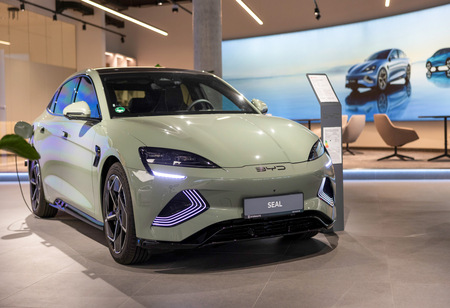
Chinese electric-vehicle leader BYD is negotiating with Jeep manufacturer Stellantis and other automakers regarding acquiring their EU factories as part of its global growth strategy.
The discussions occur weeks after Stellantis surprised investors with a €22-billion loss on its EV operations, stating it had misjudged the demand for clean-energy vehicles.
"We're in discussions not just with Stellantis but with other firms as well," said Stella Li, BYD's vice president overseeing international operations, during an auto conference in London.
"We are searching for any accessible plant in Europe as we aim to take advantage of this type of spare capacity," Stella stated.
Last year, BYD emerged as the largest seller of electric vehicles globally, yet its profits have declined because of low domestic demand, leading the company to pursue bigger markets abroad.
The firm is currently constructing its own plant in Szeged, Hungary, scheduled to launch in 2027.
Li also mentioned that BYD aims to acquire underperforming legacy brands in Europe, highlighting Stellantis' Maserati luxury brand as "quite intriguing".
Also Read: Stellantis, Leapmotor Boost European EV Production
Stellantis, a French-Italian company that includes brands like Peugeot and Fiat, revealed last week that it was contemplating the sale of an underused factory in Spain to its Chinese joint venture partner Leapmotor.
Two Stellantis plants in Italy are running significantly under capacity. According to a Fim-Cisl report referenced by the Italian media, the Cassino factory in Frosinone produced merely 2,916 vehicles in the first quarter of 2026, representing a decline of 37.4percent, operating five to six days per month.
Also Read: ABB Invests $200 Million in Europe Grid Modernization
The iconic Mirafiori factory in Turin now solely manufactures the Fiat 500 hybrid and electric versions.
The European automotive market has yet to fully bounce back from the decline caused by the COVID-19 pandemic, with its manufacturing plants functioning at an average of just 50percent capacity.
Also Read: Milence Boosts Europe EV Freight Infrastructure with €120M Facility
It also confronts a barrage from Chinese automakers, whose swiftly improving technology and inexpensive production present significant threats to global competitors.